How to Invoice International Clients as a Freelancer in Bangladesh
Sending professional invoices to international clients from Bangladesh — what to include, which currency to use, how to get paid, and how to keep records that hold up at tax time.

Author
Sabrina Alam is a Content Writer at Accoru, creating high-quality, SEO-friendly content that helps businesses connect with their audiences. She specializes in writing informative articles, website content, and marketing materials that drive engagement and deliver value.
44 articles
Sending professional invoices to international clients from Bangladesh — what to include, which currency to use, how to get paid, and how to keep records that hold up at tax time.
Most payment reminder emails either sit unsent because they feel uncomfortable or get ignored because they are too vague. Here is how to write reminders that actually work — at every stage.
Invoice numbers seem trivial until a tax audit, a duplicate payment, or a client dispute makes them matter. Here is the right way to number invoices and why consistency is non-negotiable
Freelance invoicing is not complicated — but most people get it wrong in the same ways. Here is the complete picture, from what goes on the invoice to getting paid without chasing.
If you bill the same clients every month and still send invoices manually, you are spending hours a year on a task that should take zero minutes. Here is how recurring invoicing actually works.
Most late payments are not deliberate — clients get busy and invoices get forgotten. Here is how to follow up effectively, professionally, and without the awkwardness that causes most people to delay.
Net 30 sounds simple until a client interprets it differently than you do. Here is what every payment term actually means, how to choose the right one, and how terms affect cash flow.
An honest, in-depth comparison of the top QuickBooks alternatives for small businesses in 2026 — pricing, features, who each one is for, and how to switch without losing data.
A detailed, real-world comparison of FreshBooks, QuickBooks Online, and Xero in 2026 — pricing, features, ease of use, accountant support, and which one is actually right for your business.

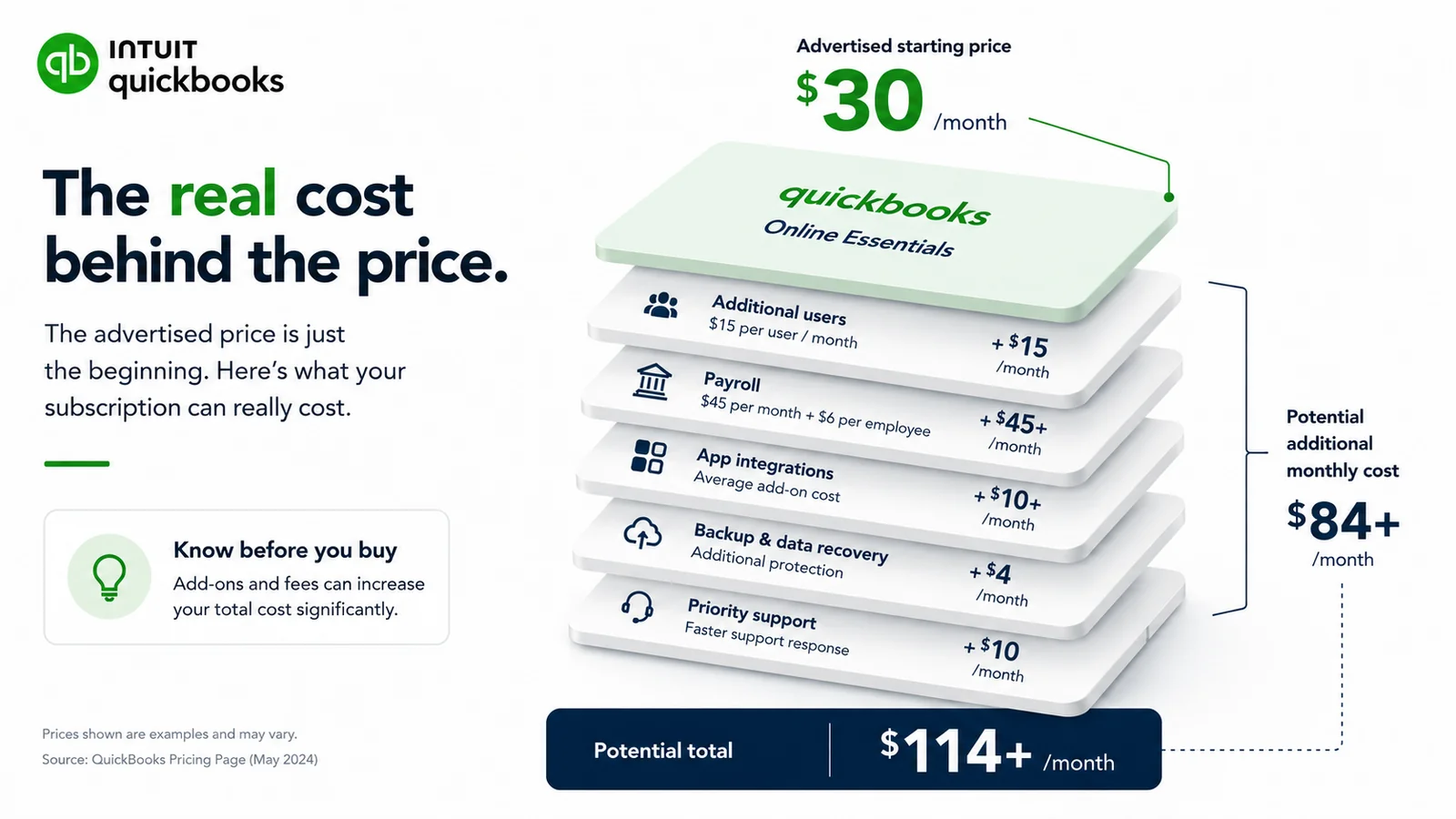
QuickBooks starts at $30/month but most small businesses pay significantly more. Before you renew — or sign up — here is the full cost breakdown nobody shows you upfront.
An honest, in-depth guide to choosing accounting software as a freelancer in 2026 — what features matter, what to ignore, real pricing, and how to pick the right product for your work.

Missing one field on an invoice can delay payment by weeks. Here is the complete list of what every invoice needs — legally, practically, and professionally.
Chasing payments, building invoices in Word, losing track of who owes what — there is a better way. Here is what the best invoicing software for freelancers actually looks like.
Learn how to read a Profit & Loss (P&L) statement and understand your business's revenue, expenses, and profitability. This complete guide helps small business owners make smarter financial decisions and track business performance with confidence.

How to choose accounting software for your small business in 2026 — what features actually matter, what to ignore, how to evaluate vendors, and how to migrate without losing data.

QuickBooks charges more. FreshBooks caps your clients. Before you commit to either, here is an honest side-by-side that covers pricing, features, and who each one actually serves.
Choosing between accrual and cash accounting can affect how you track income, expenses, and business performance. Learn the key differences, advantages, and drawbacks of each method to determine which is right for your business.

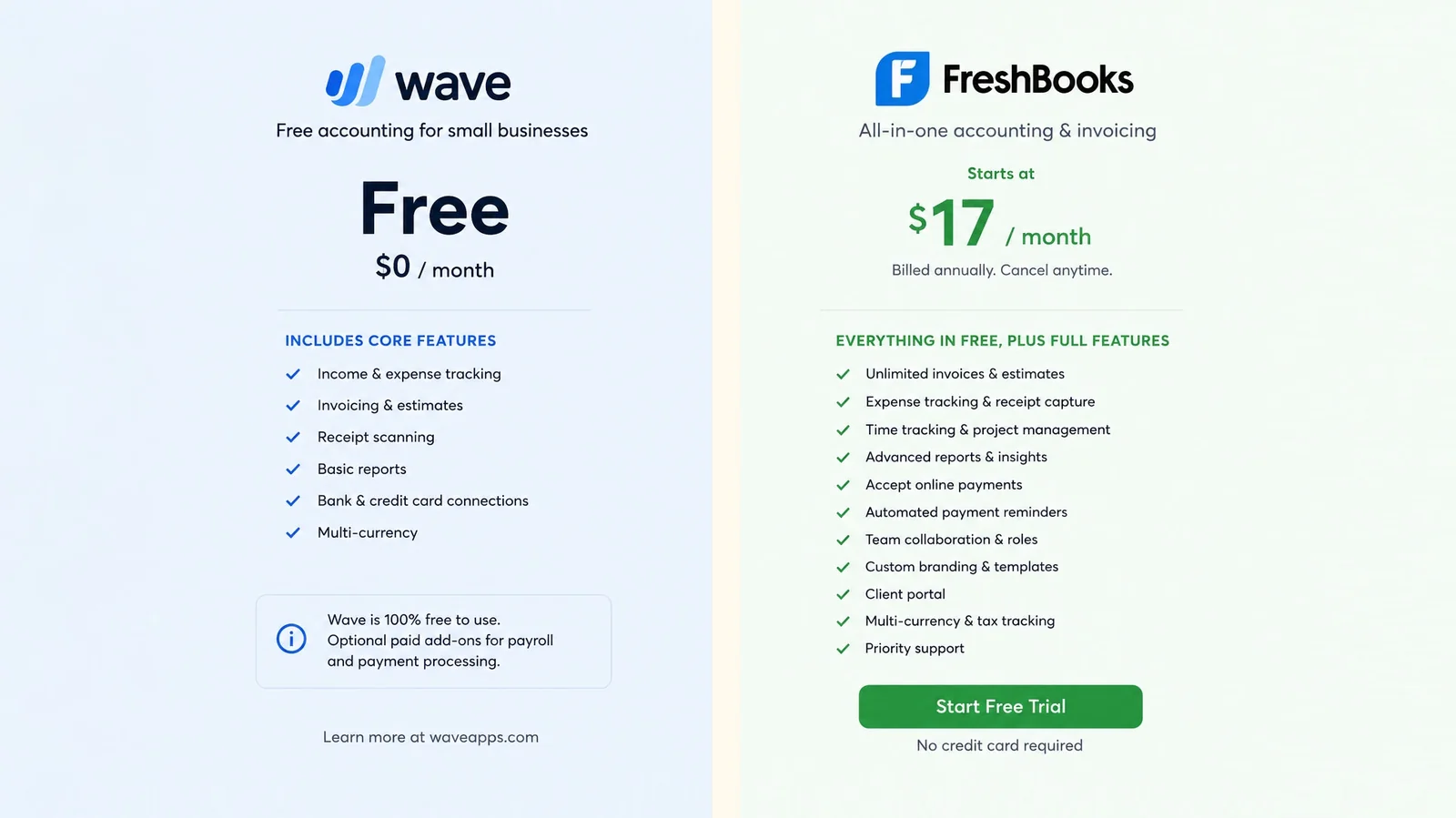
Wave is free. FreshBooks is not. But the real cost comparison is more complicated than that — and for many small businesses, the free option ends up costing more.

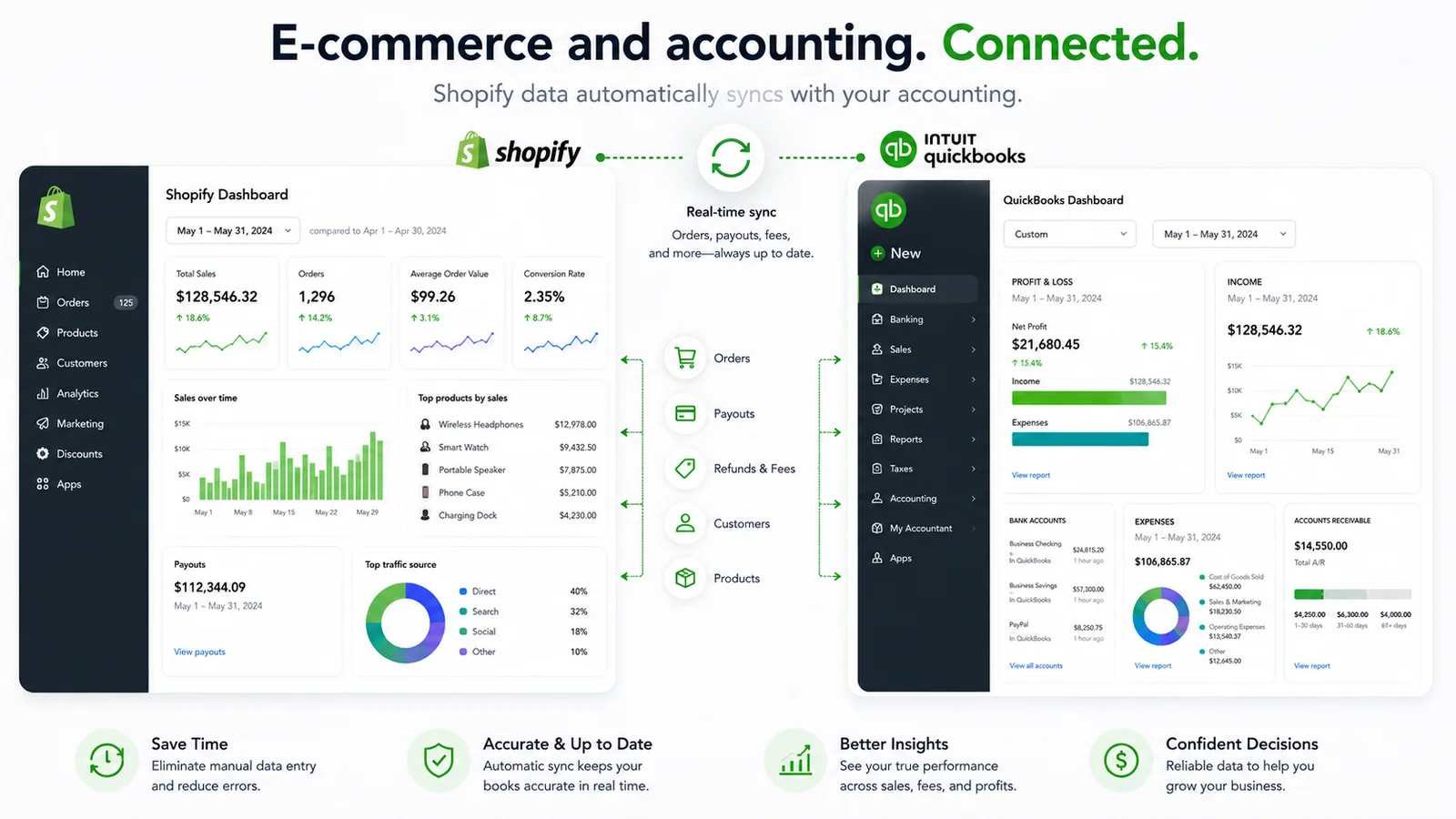
E-commerce accounting is messier than service business accounting. Multiple payment processors, platform fees, refunds, and sales tax across states — here is what actually handles it.
Confused about the difference between accounting and bookkeeping? This guide explains both clearly — what each involves, who does it, and what your small business actually needs.
Learn what a general ledger is, how it records your business transactions, and why it is essential for accurate accounting. This simple guide helps small business owners understand the foundation of financial reporting and bookkeeping.
Learn the difference between accounts receivable and accounts payable — what they are, how they work, and why managing both matters for your small business cash flow.
Sending invoices by email attachment is slower than it needs to be. Here is how online invoicing actually works — and why the difference shows up directly in how fast you get paid.
Learn what bank reconciliation is, why it matters for small business, and how to do it — step by step. A plain-English guide for business owners without accounting experience.
Most small businesses overpay for accounting software they barely use. This guide cuts through the noise — what to look for, what to avoid, and which tools actually deliver
Learn how to reconcile your bank account step by step — a practical guide for small business owners. Catch errors, prevent fraud & keep accurate books every month.
Learn what a chart of accounts is, how to set one up for your small business, and what accounts you actually need. A practical guide for business owners without accounting experience.
Every business deduction self-employed people and freelancers should know about for the 2026 tax year — what qualifies, what doesn't, and how to track each one cleanly.
Learn double-entry bookkeeping from scratch — debits, credits, T-accounts, journal entries, the general ledger, and how it all connects to your financial statements.
Double-entry bookkeeping explained in plain English. Learn what it is, how debits and credits work, and why it matters for your small business — no accounting degree required.
Learn how to do bookkeeping for your small business — step by step. From setting up your system to reconciling accounts and generating reports. A practical guide for business owners.

An honest look at Accoru — the features, the pricing, the limitations, and the businesses it actually suits. No marketing language. Just a straight answer to whether it fits your needs.
A poorly formatted invoice signals disorganization before a client even reads the amount. Here is exactly what goes on a professional invoice and how to get it right every time.
New to business accounting? This complete beginner's guide covers everything small business owners need to know — from basic concepts to bookkeeping systems and financial reports.
Profitable businesses fail every day — not because they lack customers, but because cash runs out before invoices get paid. This definitive guide walks you through every layer of small business cash flow management: reading your cash flow statement, building a 13-week forecast, tightening your billing cycle, negotiating with suppliers, surviving seasonal dips, and automating the whole process so you can stop flying blind.
A complete, practical guide to invoicing clients in 2026 — what to put on an invoice, how to set terms that get paid, how to chase politely, and the templates that actually work.
Your chart of accounts is the backbone of your entire bookkeeping system — get it wrong and every report you pull will be confusing or misleading. This guide walks you through exactly how to structure yours: from numbering conventions and naming rules to a complete 70-account sample template, industry-specific variants, and a step-by-step process for cleaning up a messy existing CoA.
Learn what a balance sheet is, how to read one, and what it tells you about your small business. A plain-English guide covering assets, liabilities, equity & more.
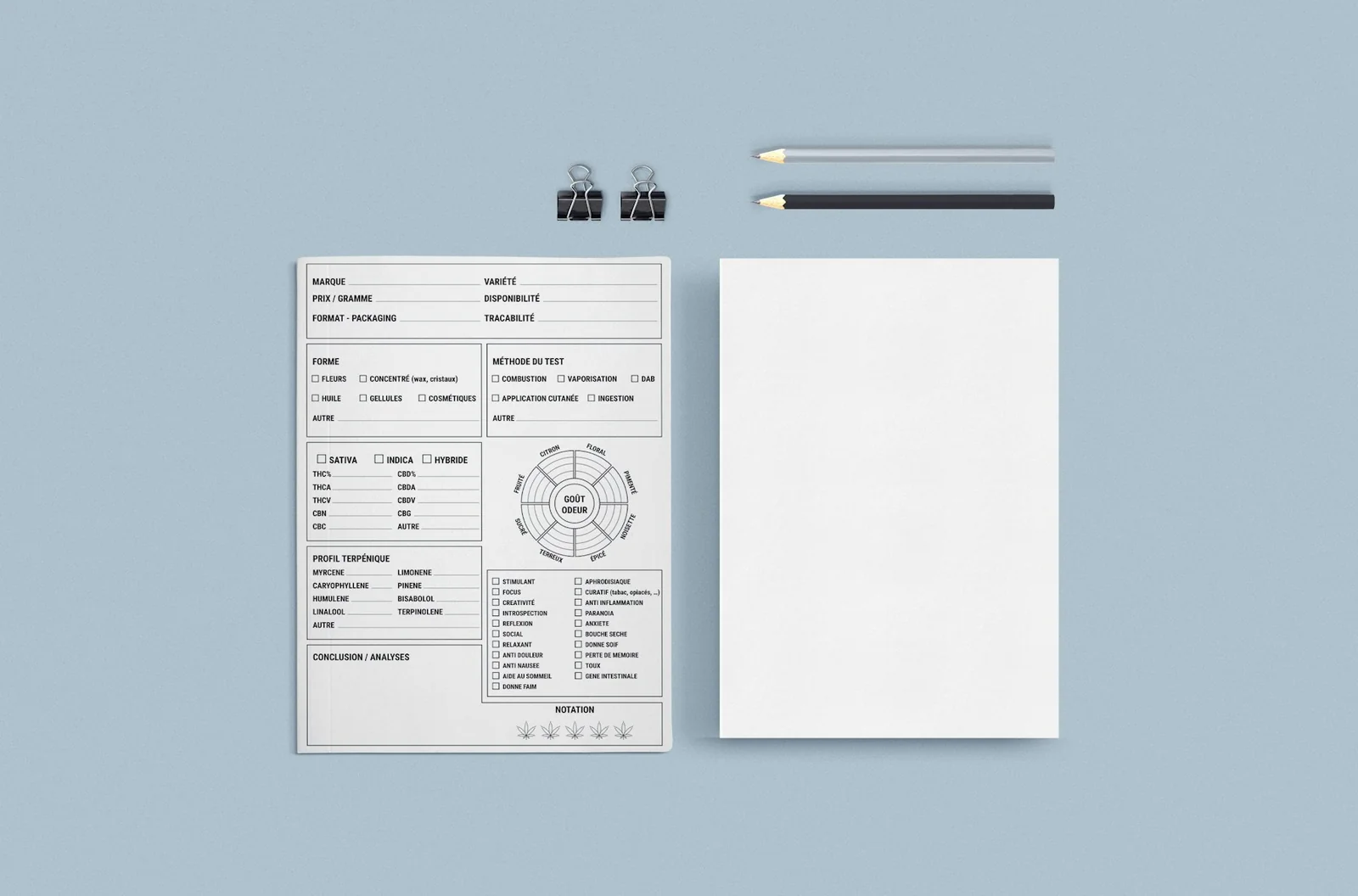
Switching from QuickBooks doesn't have to be painful. This step-by-step guide covers everything from exporting your data to verifying your opening balances—so you can migrate without losing a thing.
Learn what a cash flow statement is, how to read one, and why it matters for your small business. A plain-English guide covering operating, investing & financing cash flows.

Wave calls itself free accounting software. For some businesses it genuinely is. For others, the hidden costs exceed what paid alternatives charge. Here is the full picture.

QuickBooks dominates the US market. Xero dominates everywhere else. But market share does not equal best fit — here is what the difference actually means for your small business.
Self-employed bookkeeping software ranges from genuinely useful to expensively overbuilt. What you actually need depends on how you work — here is how to figure that out.

QuickBooks has the biggest market share in small business accounting. It also has the most businesses actively looking for alternatives. Here is what is driving them out.